Claydol worth
Ancient Origins · #33 · rare · Updated Sep 20, 2026
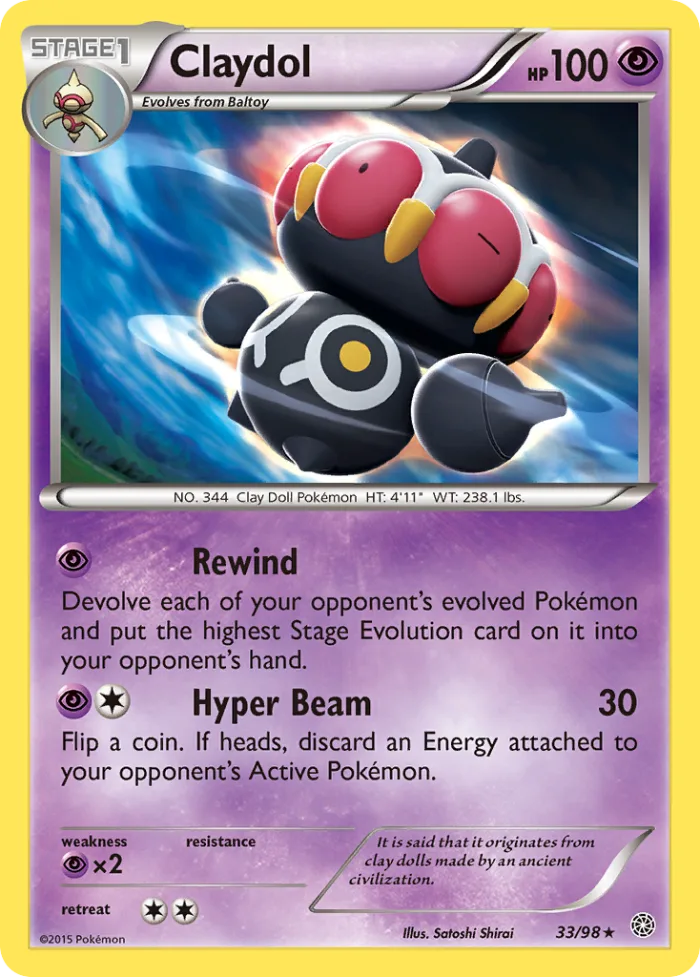
Scan this card with the pokemon card price checker to track its value in your collection.
$0.49
Live raw market estimate · PSA 10 n/a
Current market prices
| TCGplayer market | $0.49 |
| Cardmarket low | €0.10 (~$0.11) |
| TCGplayer mid | $0.22 |
| PSA 10 (eBay median) | - |
Buy / comps: TCGplayer · eBay sold · Cardmarket
Sale price history
Claydol #33, illustrated by renowned artist Satoshi Shirai, is a captivating card from the Ancient Origins set of the Pokémon Trading Card Game. As a rare card, it stands out not only for its artistic appeal but also for its strategic value in gameplay. The card features an intriguing design that showcases Claydol, a Pokémon known for its mystical abilities and connection to ancient artifacts. Collectors and players alike appreciate this card for its rarity and the nostalgia it invokes. Given its status, the worth of Claydol #33 can vary significantly depending on factors like condition, demand, and market trends. For those interested in the Pokémon card market, understanding the value of Claydol #33 can be essential for making informed decisions on buying, selling, or trading.
Rarity and Demand
The rarity of Claydol #33 plays a crucial role in its market value. As a rare card from the Ancient Origins set, it often attracts collectors looking to complete their sets or acquire unique pieces for their collections. The demand for this card can fluctuate, influenced by factors such as its performance in competitive play, popularity among collectors, and the overall market trends for Pokémon cards. As players and collectors engage with the Pokémon Trading Card Game, the perceived value of Claydol may increase, especially if it gains traction in tournaments or is featured in popular gameplay strategies. This dynamic nature of demand makes it essential for collectors to stay informed about the current market landscape.
Condition and Grading Impact
The condition of Claydol #33 is a significant determinant of its worth. Cards are typically graded on a scale that assesses factors such as surface quality, centering, corners, and edges. A card in mint condition is often valued higher than one that shows signs of wear or damage. Collectors often seek graded versions of this card, as they provide a level of assurance regarding authenticity and condition. Grading services can help establish a card's market value, but it's important to remember that grading is subjective and can vary between different grading companies. Therefore, collectors should be mindful of how the grading process can impact the perceived worth of their Claydol card.
Collecting Claydol #33
For collectors, Claydol #33 presents an exciting opportunity to own a piece of Pokémon history. Its unique design and rarity make it a desirable addition to any collection. When identifying this print, collectors should pay attention to the card's holographic elements and the overall condition. Additionally, understanding the nuances of the Ancient Origins set can enhance the collecting experience, as it provides context for the card's place within the broader Pokémon universe. Engaging with other collectors and participating in community discussions can further enrich the collecting journey, allowing enthusiasts to share insights and strategies for acquiring rare cards like Claydol.
Using TCGApp for Value Tracking
In the fast-paced world of trading cards, staying updated on the value of Claydol #33 is essential for collectors and players. TCGApp.io offers a user-friendly platform that allows users to scan their cards and track their worth over time. With tools designed specifically for card collectors, TCGApp can help individuals make informed decisions regarding buying, selling, or trading their cards. By using TCGApp, collectors can easily access market trends and historical data, which can aid in understanding the fluctuating value of cards like Claydol #33. This resource can be invaluable for those looking to maximize their collection's potential.
Raw vs graded worth
When it comes to grading Claydol #33, the condition of the card greatly affects its perceived value. Cards are evaluated based on their physical state, including any scratches, bends, or discoloration. A professionally graded card can provide assurance regarding its quality, often leading to a higher market value. Collectors should consider getting their cards graded to better understand their worth and to enhance their resale potential in the future.
Collector notes
Claydol #33 is a sought-after card among Pokémon collectors, particularly those focusing on the Ancient Origins set. When collecting this card, it’s important to verify its authenticity and condition. Look for specific features such as the holographic finish and the print quality, which can help in identifying genuine cards. Engaging with fellow collectors and utilizing resources like TCGApp can further enhance your collecting experience, providing insights into this card's market presence and value trends.
Frequently asked questions
How much is Claydol worth?
As of Sep 20, 2026, a raw near-mint copy is worth about $0.49. Figures update from Cardmarket, TCGplayer and eBay sold data.
Is Claydol from Ancient Origins valuable?
Value depends on condition, print, and current demand. Use the live market modules above for today's raw and graded context, then compare recent sold comps before buying or selling.
How do I check Claydol value with my phone?
Download TCGApp on iPhone, scan the card with the camera, and it matches the print so you can see live worth, graded context, and add it to a collection.
Should I grade Claydol?
Grading can help high-demand cards in strong condition, but fees and wait times matter. Compare raw market value with PSA 10 / graded sold context before submitting.
What factors influence the worth of Claydol #33?
The worth of Claydol #33 is influenced by its rarity, condition, demand in the market, and its performance in competitive play. As trends shift, the value can fluctuate, making it important for collectors to stay informed.
How can I verify the authenticity of my Claydol #33 card?
To verify authenticity, examine the card for specific features like the holographic finish and print quality. Additionally, consulting with experienced collectors or using grading services can provide further assurance.
What is the grading process for trading cards?
The grading process involves evaluating the card's physical condition, including surface quality, centering, corners, and edges. Professional grading services assign a score that reflects the card's overall quality.
Where can I buy or sell Claydol #33?
Claydol #33 can be bought or sold through various online marketplaces, trading card shops, and community forums. Engaging with the Pokémon collector community can also provide opportunities for trades.
How does TCGApp help with card worth tracking?
TCGApp allows users to scan their cards and track their values over time. It provides insights into market trends and historical data, making it easier for collectors to understand the worth of their cards.
Is Claydol #33 playable in competitive Pokémon TCG?
Yes, Claydol #33 has been recognized for its strategic value in gameplay, which can enhance its desirability among players. Its effectiveness in certain decks can also impact its market value.