Professor Oak worth
Base Set 2 · #116 · Uncommon · Updated Sep 20, 2026
Scan this card with the cgc grading to track its value in your collection.
$1.18
Live raw market estimate · PSA 10 n/a
Current market prices
| TCGplayer market | $1.18 |
| Cardmarket low | €1.90 (~$2.18) |
| TCGplayer mid | $0.92 |
| PSA 10 (eBay median) | - |
Buy / comps: TCGplayer · eBay sold · Cardmarket
Sale price history
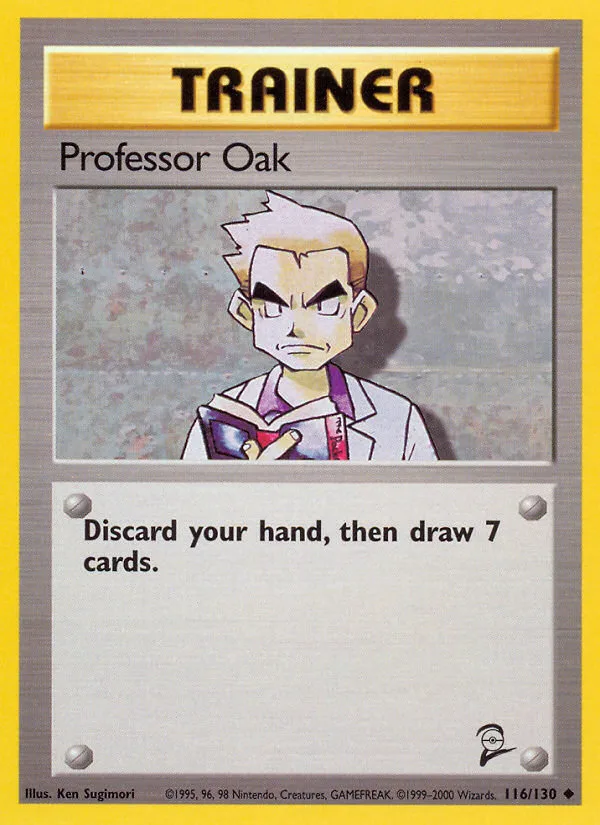
Professor Oak #116 is a notable card from the Base Set 2 of the Pokémon trading card game, featuring the beloved character designed by Ken Sugimori. As an Uncommon card, it holds a special place in the hearts of collectors, especially those who grew up with the franchise. The card's artwork and connection to the Pokémon universe add to its appeal, making it a popular choice for both new and seasoned collectors. The market for Pokémon cards has seen significant fluctuations, influenced by trends, nostalgia, and the card's condition. As such, understanding its worth requires a keen eye for detail and an appreciation for its place within the larger Pokémon card ecosystem. Whether you’re looking to buy, sell, or simply value your collection, knowing the factors that affect the worth of Professor Oak #116 is essential.
Understanding the Worth of Professor Oak #116
The worth of Professor Oak #116 can vary significantly based on several factors, including its condition, rarity, and current market trends. As an Uncommon card from the Base Set 2, it may not hold the same value as some of the rarer cards, but its nostalgic significance and iconic status contribute to its desirability. Collectors often look for cards in mint condition, as these tend to fetch higher prices. Additionally, the popularity of Pokémon cards has surged in recent years, leading to increased interest in cards like Professor Oak. To gauge its current worth, collectors should stay updated on market trends and recent sales, as these can provide valuable insights into its value trajectory.
Condition and Grading Insights
When assessing the worth of Professor Oak #116, the condition of the card plays a crucial role. Cards are typically graded on a scale from raw to various grades, with higher grades indicating better condition. A raw card may show signs of wear, such as scratches or edge wear, which can significantly lower its value. In contrast, a professionally graded card, often encapsulated by grading companies, can command a premium price due to its verified condition. Collectors should consider getting their cards graded if they believe they are in excellent shape, as this can enhance their marketability. However, the grading process itself can take time and may involve additional costs, so it’s essential to weigh these factors before proceeding.
Collecting and Identifying Base Set 2 Cards
Collecting Base Set 2 cards like Professor Oak #116 can be an exciting venture for Pokémon enthusiasts. This set includes reprints of cards from the original Base Set, allowing collectors to complete their collections or introduce new players to the game. To identify this specific print, collectors should look for the distinctive Base Set 2 symbol, which sets it apart from other sets. The artwork by Ken Sugimori is another hallmark of this card, making it instantly recognizable. When building a collection, it's important to consider the card's condition and authenticity, as these factors can greatly influence its overall worth. Engaging with fellow collectors and online communities can also provide valuable insights and resources for identifying and valuing cards.
Buying and Selling Professor Oak #116
When looking to buy or sell Professor Oak #116, it’s important to approach the market with a solid understanding of current trends and values. Online marketplaces, trading events, and local shops can be great places to find potential buyers or sellers. Utilizing platforms like TCGApp.io can help collectors track the worth of their cards and stay informed about market fluctuations. Scanning your cards with TCGApp can also assist in evaluating their condition and potential value. For sellers, presenting the card in excellent condition and providing clear images can enhance its appeal. Similarly, buyers should ask for detailed descriptions and, if possible, request to see the card in person before finalizing a transaction.
Raw vs graded worth
The grading of Professor Oak #116 can significantly impact its perceived value. Raw cards, while still valuable, may not reach the same heights as those graded by professional services. Graded cards, depending on their condition, can attract collectors willing to pay a premium for assurance of quality. Collectors should be aware that even minor imperfections can affect grading outcomes, so careful handling and storage are essential to preserve the card's condition.
Collector notes
For collectors, identifying and acquiring Professor Oak #116 can be a rewarding experience. This card is not only a piece of Pokémon history but also a symbol of the nostalgia associated with the franchise. It’s important to ensure the authenticity of the card, especially when purchasing from secondary markets. Familiarizing oneself with the characteristics of the Base Set 2 cards can help in distinguishing this print from others. Engaging with dedicated Pokémon communities can also enhance the collecting journey, providing insights and connections that can lead to valuable trades or purchases.
Frequently asked questions
How much is Professor Oak worth?
As of Sep 20, 2026, a raw near-mint copy is worth about $1.18. Figures update from Cardmarket, TCGplayer and eBay sold data.
Is Professor Oak from Base Set 2 valuable?
Value depends on condition, print, and current demand. Use the live market modules above for today's raw and graded context, then compare recent sold comps before buying or selling.
How do I check Professor Oak value with my phone?
Download TCGApp on iPhone, scan the card with the camera, and it matches the print so you can see live worth, graded context, and add it to a collection.
Should I grade Professor Oak?
Grading can help high-demand cards in strong condition, but fees and wait times matter. Compare raw market value with PSA 10 / graded sold context before submitting.
What factors affect the worth of Professor Oak #116?
The worth of Professor Oak #116 is influenced by its condition, rarity, and current market trends. Cards in better condition and those that have been professionally graded typically command higher prices.
How can I ensure the authenticity of my card?
To ensure authenticity, examine the card closely for any signs of wear or reprints. Consulting with experienced collectors or using grading services can also help verify its legitimacy.
What should I consider before getting my card graded?
Before getting your card graded, consider its current condition and potential market value. Grading can enhance its worth, but it also involves costs and time, so weigh these factors carefully.
Where can I buy or sell Professor Oak #116?
You can buy or sell Professor Oak #116 through online marketplaces, trading events, and local card shops. Utilizing platforms like TCGApp.io can help you track its worth and find potential buyers or sellers.
How does TCGApp assist in valuing my cards?
TCGApp provides tools to scan your cards and assess their condition, helping you determine their current market value. It also offers insights into trends and recent sales for better decision-making.
Is it worth investing in Professor Oak #116?
Investing in Professor Oak #116 can be worthwhile, especially for collectors who appreciate its nostalgic value. However, market values can fluctuate, so staying informed is crucial.